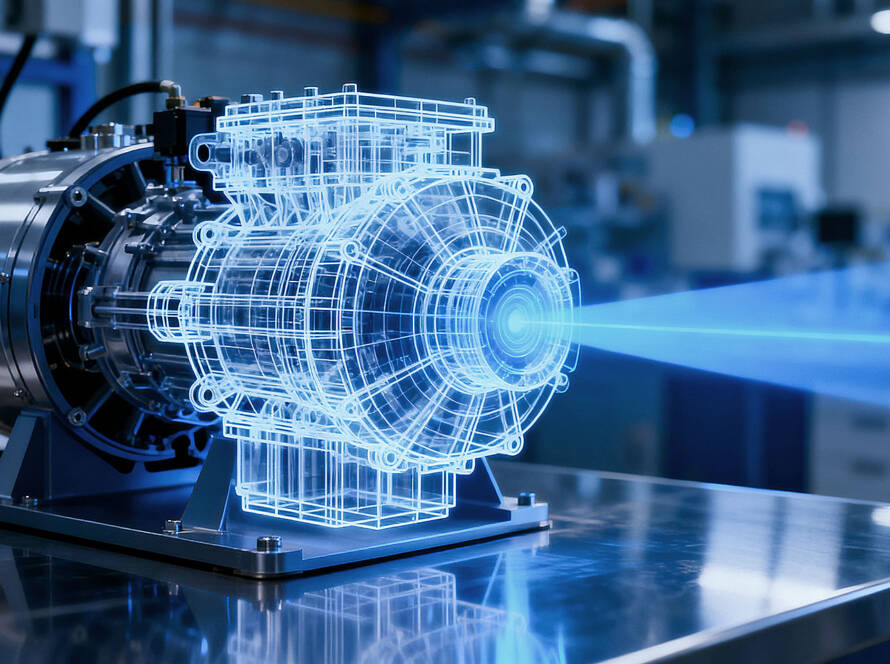
Physical AI represents the next evolution in logistics, where AI systems interact directly with the physical world via sensors, robotics, and real-time decision-making. Unlike digital AI that processes data passively, Physical AI perceives environments, makes independent choices, and executes actions like rerouting or sorting without human input. This shift addresses longstanding inefficiencies in supply chains.
Limitations of Traditional IoT Tracking
Standard IoT asset tracking uses technologies like RFID, Bluetooth Low Energy (BLE), or NFC to provide location and basic status updates. These systems generate valuable data but fall short in dynamic scenarios: they cannot autonomously respond to disruptions such as traffic delays, environmental changes, or inventory mismatches. Operators must manually interpret alerts, leading to slower resolutions and higher operational friction in complex, multimodal logistics.
Core Principles of Physical AI in Practice
Physical AI bridges digital intelligence and physical execution through integrated components:
- Perception: Multi-sensor arrays (LiDAR, cameras, ultrasonic, environmental sensors) create a real-time 3D understanding of surroundings.
- Decision-Making: Edge AI models process data on-device for low-latency actions, using machine learning to adapt from experience.
- Action: Robots, autonomous vehicles, or smart pallets execute tasks like navigation, sorting, or condition adjustments.
In warehouses, for instance, AI-equipped robots like Amazon’s Proteus navigate freely, avoid obstacles, and optimise paths dynamically. In transit, AI route optimisation ingests live feeds (traffic, weather, telematics) to replan deliveries continuously.
Applications Transforming Logistics Operations
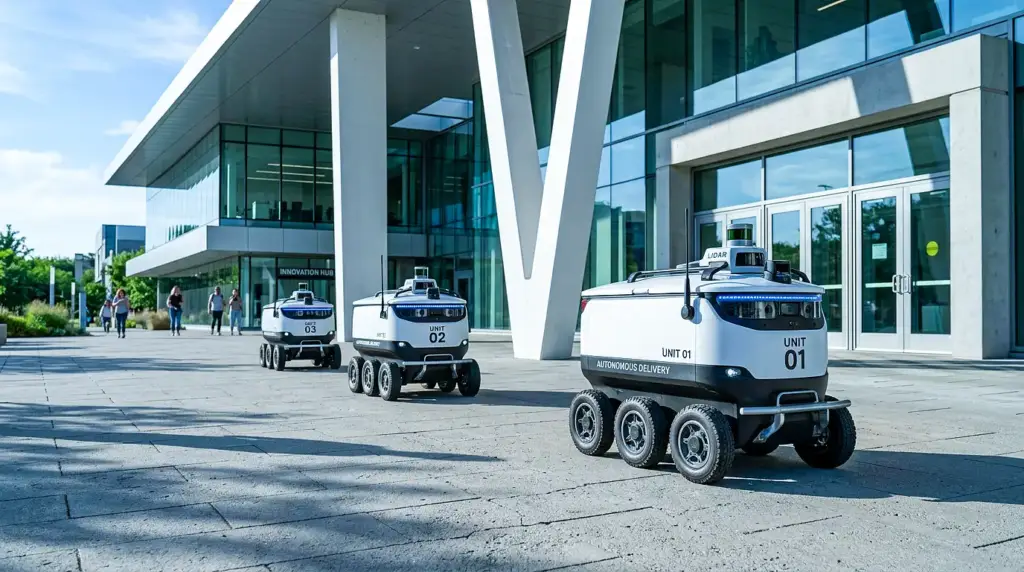
- Warehouse Automation: Cobots handle picking, packing, and quality checks alongside humans, streamlining fulfilment for high-volume e-commerce or pharma distribution.
- Last-Mile Delivery: Ground robots and drones use computer vision for urban navigation, reducing failed attempts through predictive ETAs.
- Supply Chain Resilience: Real-time monitoring of perishables (temperature, humidity) triggers automatic interventions, such as route changes for cold chain integrity.
- Fleet and Trailer Management: AI systems load/unload autonomously, as seen in pilots by FedEx with DexR robots.
These applications create self-optimising networks, where assets like pallets become “smart nodes” contributing to broader intelligence.
Technical Foundations and Integration
Deploying Physical AI requires robust IoT backbones:
- Sensor Fusion: Combining GPS-alternatives (BLE gateways, UWB) with environmental sensors for precise, indoor/outdoor tracking.
- Edge Computing: Processes data locally to minimise latency, essential for time-sensitive logistics.
- Cloud Orchestration: Aggregates insights for fleet-wide learning, enabling predictive maintenance.
Challenges include data interoperability and safety standards, but open platforms are accelerating adoption. Companies integrate legacy systems with modular AI layers for gradual upgrades.
Future Outlook for Logistics Leaders
As Physical AI matures, hybrid human-AI teams will boost productivity, with emphasis on sustainability through optimised resource use. Early adopters in competitive markets like Hong Kong’s ports and pharma hubs will gain edges in resilience and speed.
Explore Howood International‘s RFID/BLE/NFC platforms as a foundation for Physical AI integration in your operations. Contact us to discuss custom solutions.