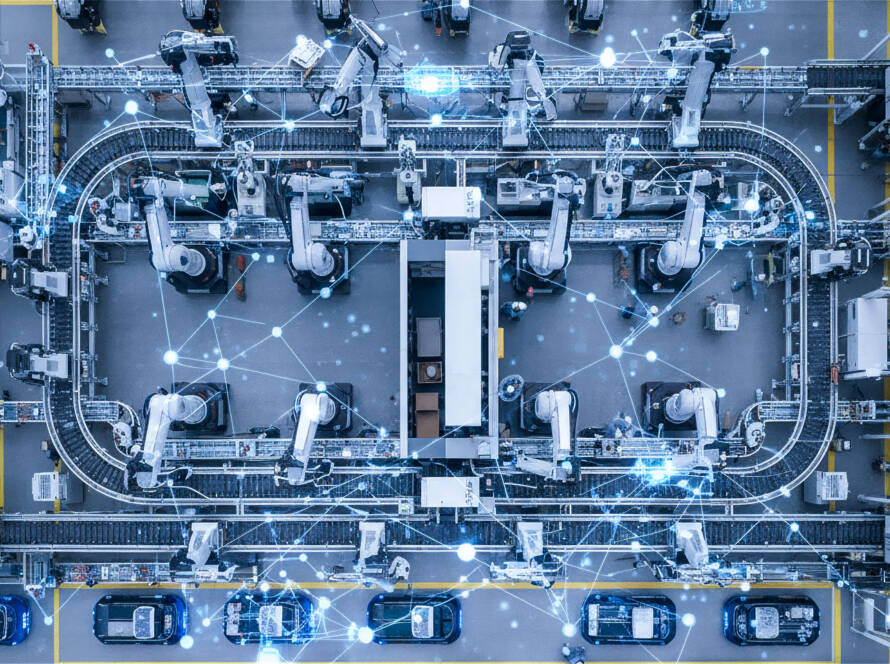
In today’s rapidly evolving industrial and business landscape, the concept of a “digital twin” is revolutionising how organisations optimise operations, reduce risks, and innovate. A digital twin is fundamentally a dynamic, virtual replica of a physical object, process, or system that continuously receives real-time data from sensors and IoT devices embedded in its physical counterpart, enabling it to mirror behaviour, performance, and changing conditions with remarkable accuracy.
Understanding Digital Twins
Unlike traditional static models, digital twins establish two-way communication with their physical counterparts. This live link allows businesses not only to observe current states but also to simulate potential scenarios and predict outcomes before implementing changes in the real world. As a result, digital twins become powerful tools for monitoring, testing, optimising, and forecasting without any physical risk or disruption.
Digital twins operate across multiple levels of sophistication. There are component twins that represent individual parts, such as a turbine blade; asset twins that represent complete equipment like a wind turbine or vehicle; system twins that integrate multiple assets working together; and process twins that model complex interconnected ecosystems. This flexibility enables organisations across sectors — from manufacturing and energy to healthcare and smart cities — to tailor digital twins to their specific needs.
Real-World Applications and Benefits
In manufacturing, a digital twin of machinery can predict maintenance needs ahead of equipment failure, reducing costly downtime and extending asset lifespan. In infrastructure management, digital twins of buildings or transportation networks can simulate impacts of environmental changes and optimise energy consumption for sustainability. Product developers benefit greatly from digital twins, as they can simulate new designs before committing to expensive physical prototypes, thereby accelerating innovation and cutting development costs significantly.
Healthcare organisations are increasingly deploying digital twins of patient physiology to predict treatment outcomes and personalise care. Smart city initiatives leverage digital twins to model urban systems, from traffic flow optimisation to energy distribution networks, creating safer and more efficient urban environments. The versatility of this technology demonstrates its transformative potential across diverse industries.
Enabling Technologies Behind Digital Twins
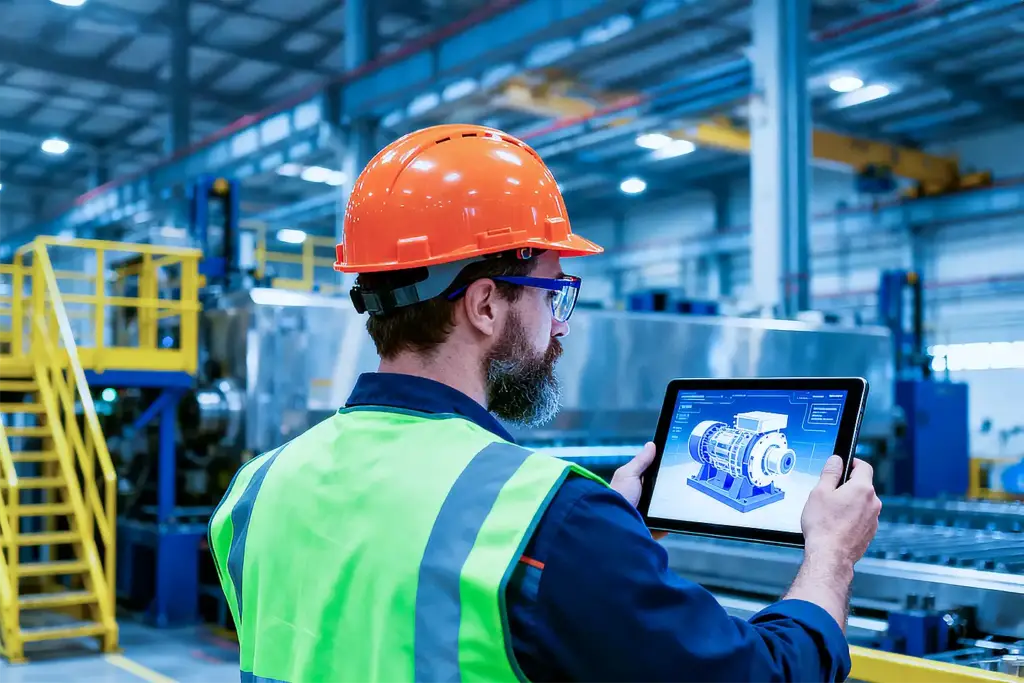
Critical enabling technologies for digital twins include the Internet of Things, cloud computing, artificial intelligence, machine learning, and advanced analytics. These technologies allow the continuous collection, processing, and interpretation of vast data sets, transforming raw information into actionable insights. The digital twin is not a static creation but a living model that grows smarter and more accurate as it ingests more data and executes additional simulations.
Operationally, digital twins can exist in various states. A connected twin exchanges live data continuously with its physical counterpart. A semi-connected twin combines real and simulated data, balancing real-time information with predictive modelling. A temporarily disconnected twin maintains fidelity based on prior data, ensuring continuity even during periods of reduced connectivity. This flexibility makes digital twins adaptable to diverse operational contexts and data availability scenarios.
Overcoming Implementation Challenges
Despite their considerable potential, implementing digital twins presents several challenges. Creating accurate virtual models requires substantial upfront investment in data infrastructure, sensor deployment, and integration with existing systems. Data quality, security, and privacy concerns must be addressed rigorously, particularly in sensitive sectors like healthcare and critical infrastructure. Furthermore, organisations must develop the technical expertise and skills necessary to maintain and derive value from these complex systems.
Interoperability between different platforms and standards remains a concern, as does the management of vast quantities of data generated continuously. Ensuring that digital twins remain synchronised with their physical counterparts demands robust governance frameworks and continuous monitoring. Successfully addressing these challenges requires collaboration between technology providers, industry stakeholders, and organisations willing to invest in the necessary infrastructure and talent.
Progressing with Digital Twin Technology
Digital twins represent a fundamental shift in how organisations interact with and understand their physical assets and processes. By bridging the physical and digital realms, digital twins unlock unprecedented levels of operational efficiency, enabling proactive decision-making, minimising risks, optimising resource use, and enhancing safety across industries. The underlying IoT infrastructure that powers these digital ecosystems requires robust connectivity solutions and intelligent data management, areas where companies like Howood International play an essential role in enabling seamless integration. The organisations that embrace this technology today will position themselves as leaders in innovation, sustainability, and operational excellence, whilst contributing to a more intelligent and responsive business environment.